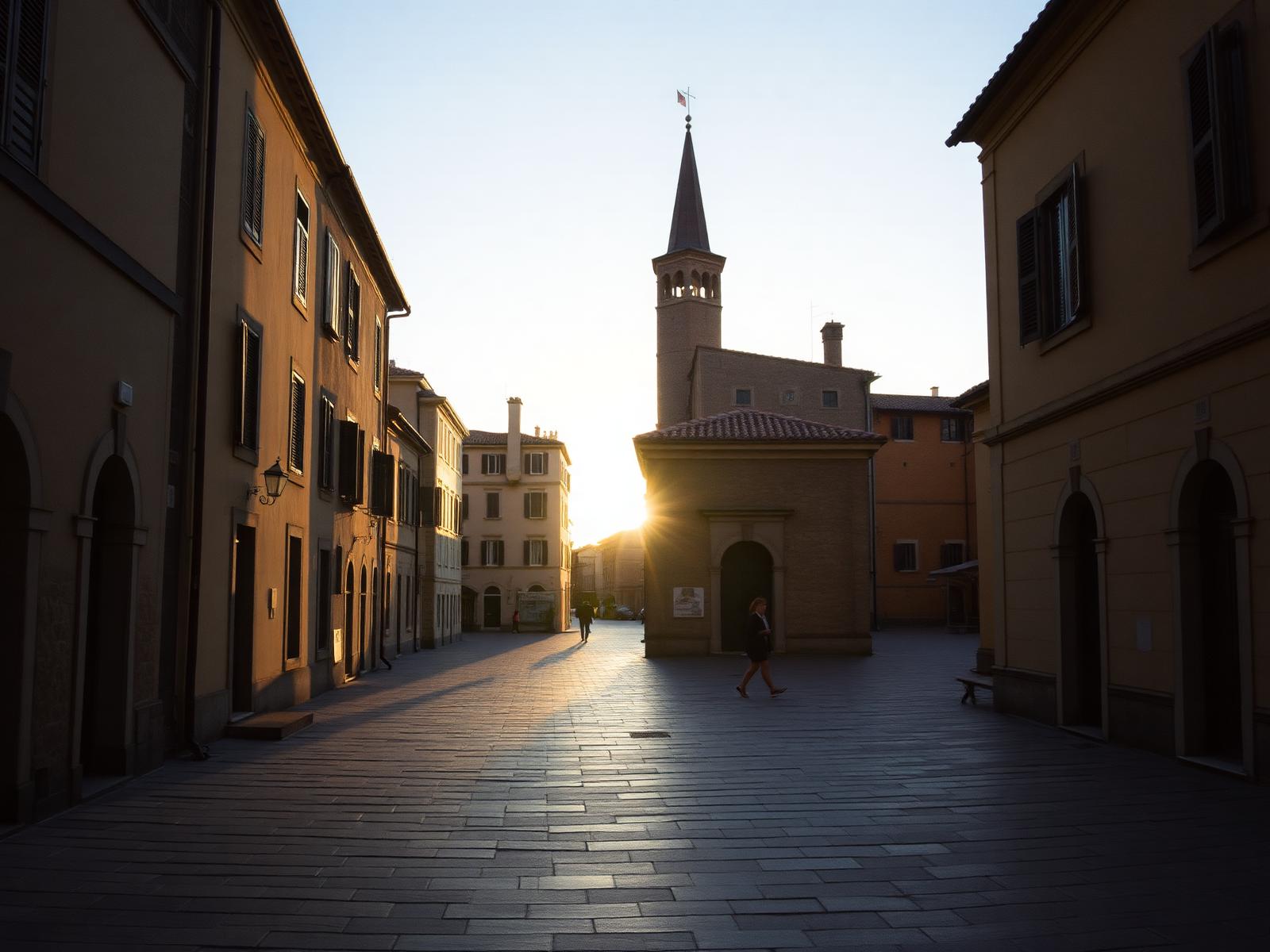
The Second-City Arbitrage
The most interesting destinations of the next ten years are the ones nobody is bidding for yet. Which is exactly why you should be.
Capital floods the obvious cities long after the cultural premium has left them. Lisbon. Mexico City. Tulum. By the time the towers go up, the people who made the place interesting have already moved.
The arbitrage is in the cities one tier below the headlines — the ones with bones, with weather, with a working creative class, and without the institutional money that grinds specificity into vanilla.
What to look for
A second city becomes a first city the moment a thesis-driven operator commits before the rest of the market has the language for why it matters.
The pattern repeats every decade. The names change. The mistake — waiting for consensus — does not.

Why Las Vegas Is Running Out of Narrative
The Strip didn't win because of slot machines. It won because of story. That story is now running on fumes.

The Most Misunderstood Asset Class Isn't Real Estate — It's Attention
Capital allocators model everything except the one input that determines whether anyone shows up.
Why Most Developments Fail Before They Begin
Failure isn't a construction event. It's a positioning event that happens eighteen months before groundbreaking.
Why Las Vegas Is Running Out of Narrative
The Strip didn't win because of slot machines. It won because of story. That story is now running on fumes.
Ep. 11 — Why Capital Keeps Buying the Wrong Buildings
An institutional allocator and a developer argue, productively, about why so much real estate underwriting still treats narrative as a marketing line item.
Building a Billion-Dollar Destination
An eight-part field manual for designing a place that earns its scale — beginning with story, ending with concrete.